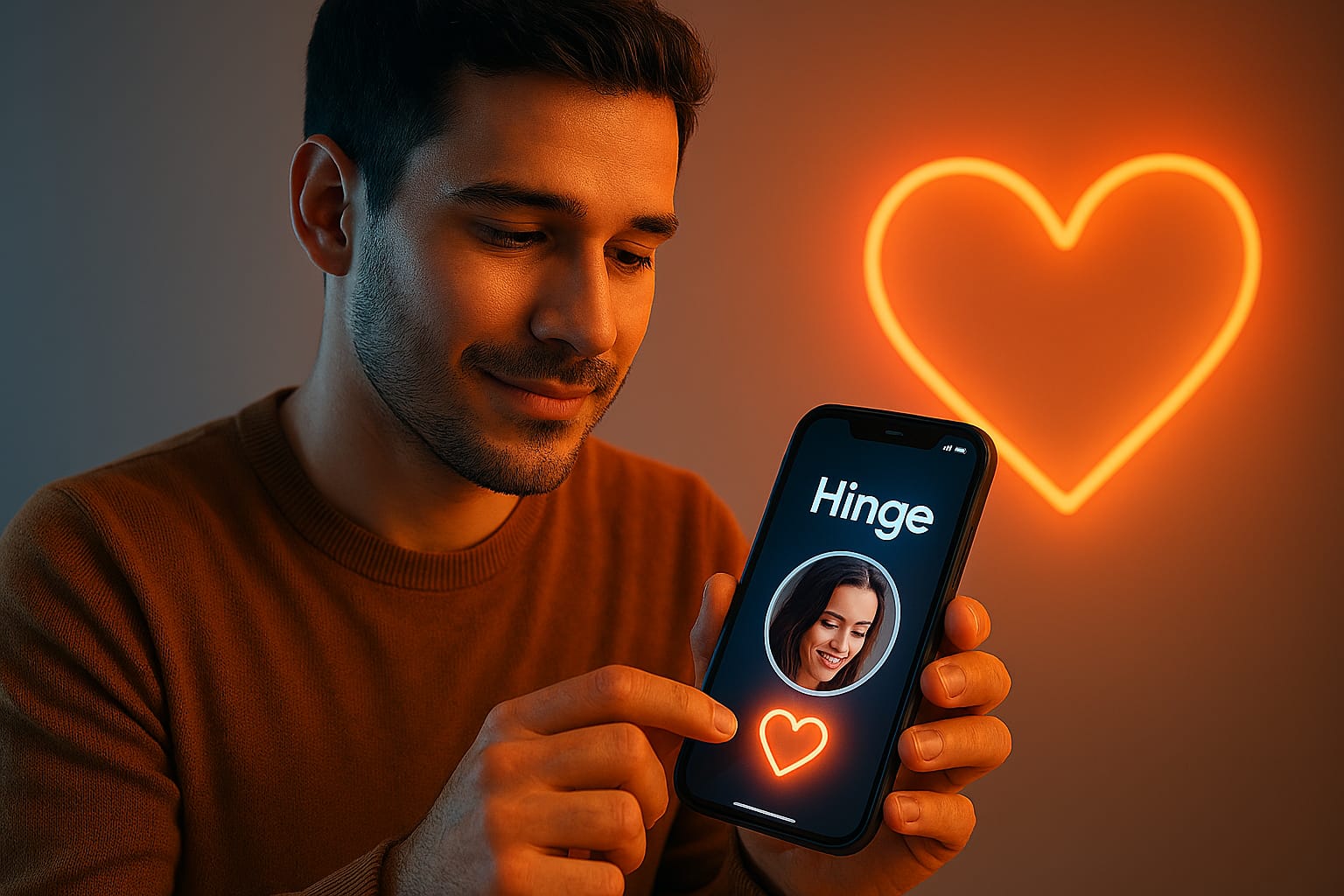
I’ve spent more time than I’d like to admit in the world of online dating, bouncing between Tinder, Bumble, and a handful of other popular apps. Endless swiping, awkward DMs, and ghosting had become routine, so when I decided to finally use Hinge, I went in with equal parts curiosity and skepticism. Hinge’s slogan — “designed to be deleted” — immediately grabbed my attention. That’s a bold claim in a market where most apps seem designed to keep you scrolling endlessly. Naturally, the first question I wanted to answer for this Hinge dating app review was straightforward: is Hinge a good dating app, or is it just hype?
After weeks of real use, multiple matches, a few genuinely engaging conversations, and some dates, here’s my editor-tested answer.
First Impressions: Hinge Feels Surprisingly Different
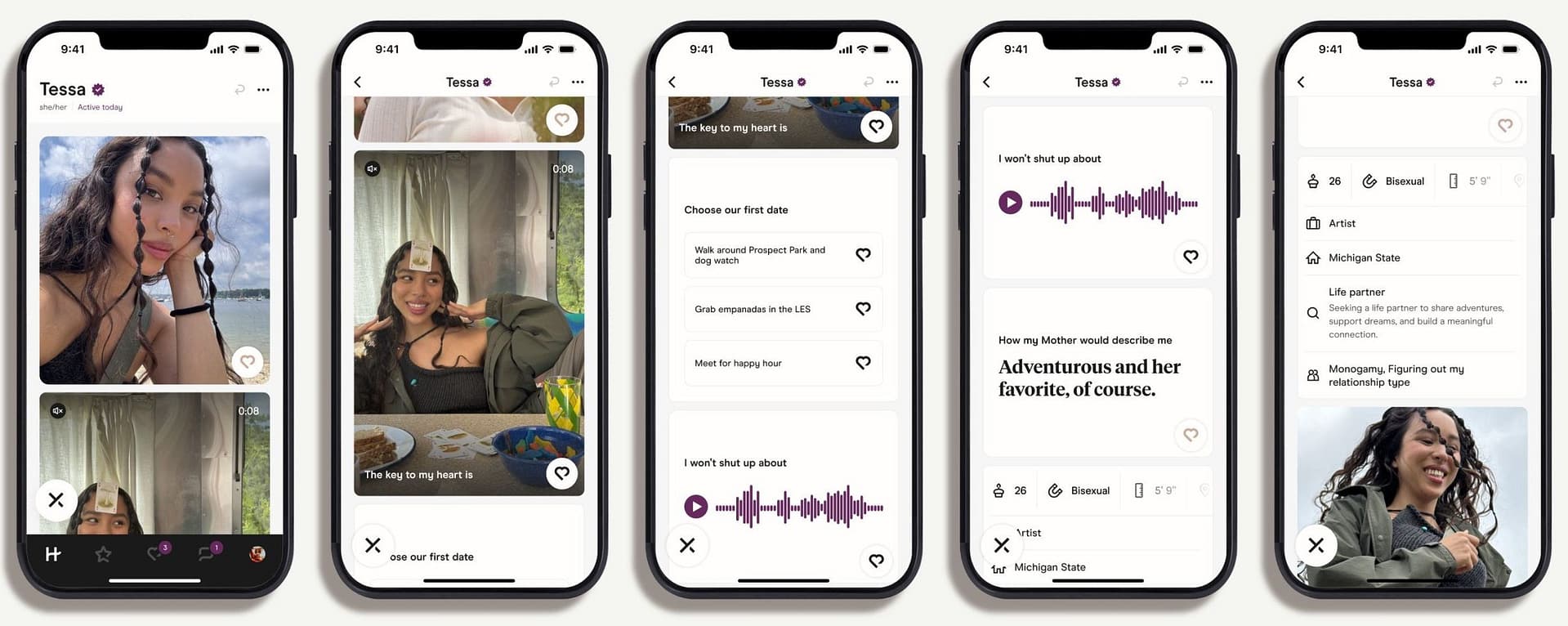
The first thing I noticed when opening the Hinge dating app is that it doesn’t feel like a game. Unlike Tinder and Bumble, where you instinctively swipe right or left with barely a thought, Hinge encourages you to actually pay attention to someone’s profile. Profiles are not just photos with a short bio; they are structured around written prompts that reveal personality, preferences, and even a subtle sense of humor.
Right away, the vibe felt more intentional. People on Hinge clearly put effort into their profiles. Bios are more than just height, emoji, or Instagram handles. Users often spell out what they’re looking for, whether that’s meaningful connections, a serious relationship, or, in some cases, a casual date that doesn’t feel like part of the endless hookup scene. It’s refreshing to scroll through potential matches and see that people actually care enough to give you a sense of who they are before you decide whether to like them.
Setting Up Your Profile: Personality Over Flexing
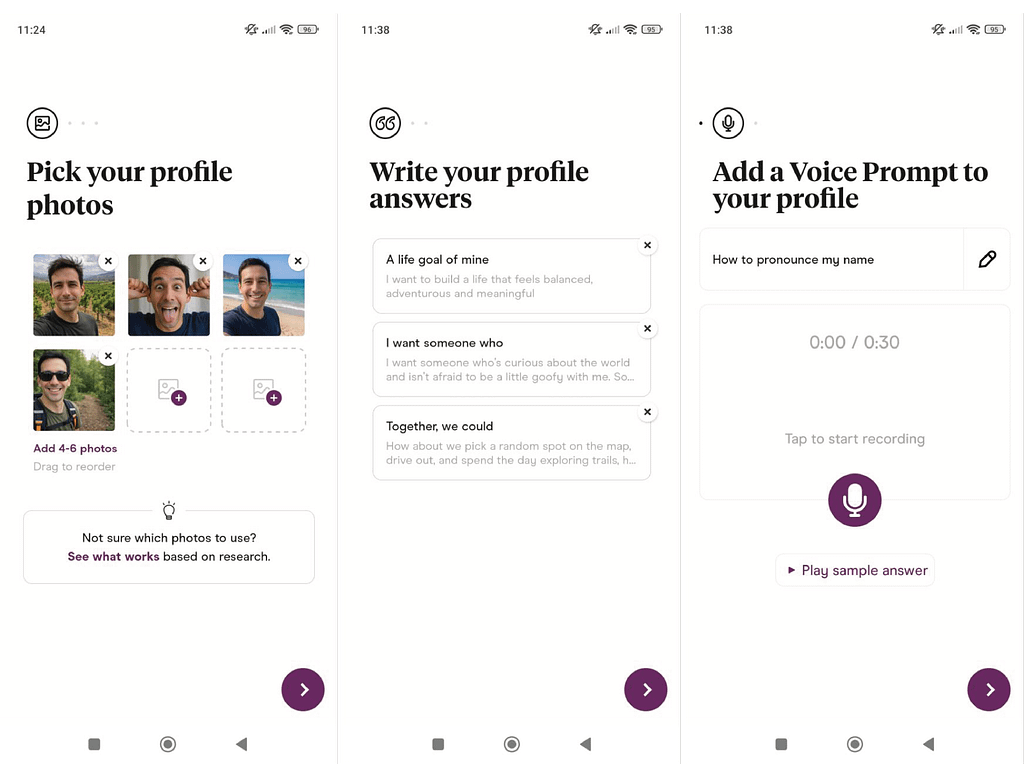
Creating a profile on Hinge takes longer than on Tinder or Bumble, but that’s by design. You’re asked to add photos, answer a few prompts, and fill in basic details like your age, distance, and relationship intentions. Optional information, like education or lifestyle habits, is available for those who want to refine their profiles even further.
The prompts are the real star. They range from lighthearted and funny to introspective, offering excellent conversation starters. Some prompts even act as subtle filters, helping you see if a match might actually share your sense of humor or life goals. It forces users to put effort into their profiles, which is a huge plus in my opinion. On apps like Tinder, someone’s profile can be as shallow as two photos and a one-line bio. On Hinge, the quality of a profile matters, and it shows.
It’s worth noting that Hinge works best if you’re willing to invest a little time. If you’re only going to upload a couple of blurry selfies and hope for the best, the app might not give you much in return. The difference in engagement is clear: people on Hinge generally put effort into their profiles, which leads to higher-quality matches and more meaningful conversations.
Matching on Hinge: A Smarter Approach
One of the biggest differences between Hinge and apps like Tinder is how the matching system works. Instead of endless swiping right, Hinge asks you to like a specific part of someone’s profile — a photo or a prompt — and optionally leave a comment. That small change has a huge impact. Liking a prompt instead of just a face gives the conversation a built-in opener and reduces the awkwardness of starting a chat from scratch.
The app also limits how many people you can like per day on the free version, which at first felt restrictive. But after a few days, I realized it encouraged selectivity. You aren’t mindlessly swiping through endless profiles; you’re thoughtfully considering each potential match. It’s a subtle but important difference in how Hinge shapes the dating experience.
The Algorithm: Hinge Gets You
Hinge’s algorithm is surprisingly effective. After a few days of using the app, the profiles it suggested started to feel aligned with my preferences. Not just superficially, but in terms of humor, interests, and overall vibe. The app learns from who you like, who you skip, and who you actually engage with, then refines your potential matches accordingly.
This personalized approach makes it feel like Hinge is actively helping you find a perfect match, rather than just feeding you profiles at random. Over time, I found myself seeing more profiles I genuinely wanted to interact with, which is a stark contrast to the randomness of Tinder and Bumble. In other words, Hinge doesn’t just put profiles in front of you; it tries to curate matches based on your behavior and preferences.
Messaging on Hinge: Conversations That Actually Flow
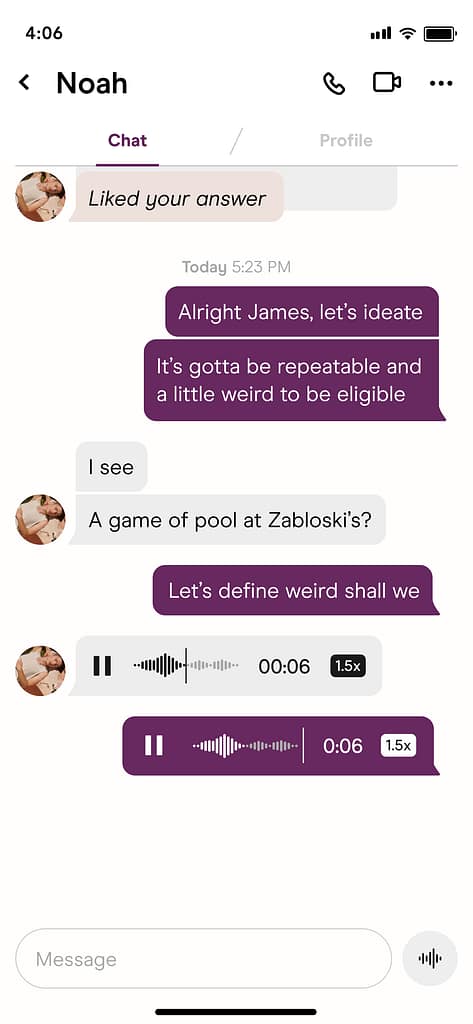
Messaging on Hinge is where it really shines. Because matches often start with a comment on a prompt, conversations feel more natural. You’re not fumbling for an opener, trying to invent something witty, or resorting to “hey” for the tenth time. Instead, you can respond to something specific in their profile, which almost guarantees a better reply.
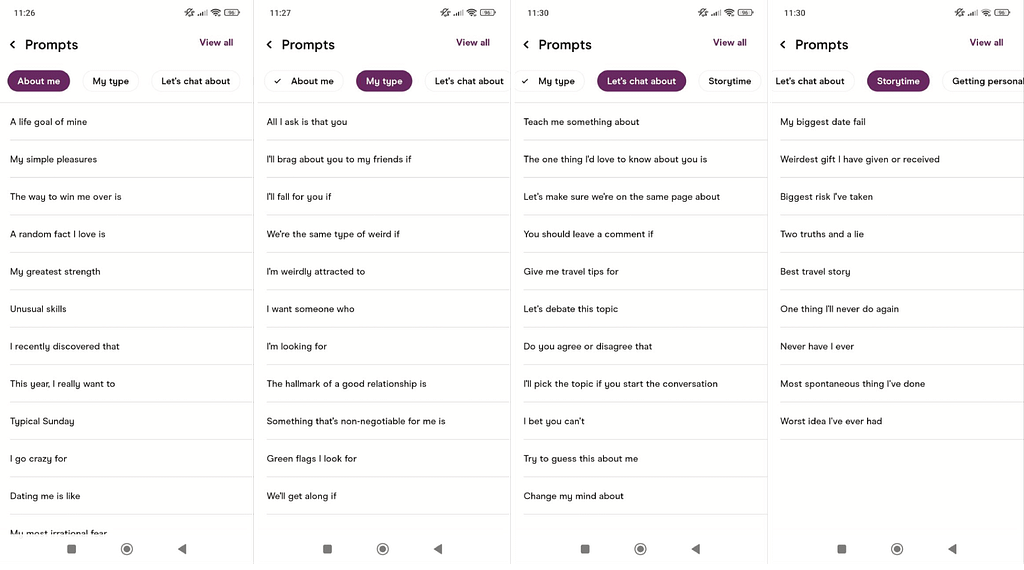
In my experience, messages on Hinge were more frequent, conversations lasted longer, and ghosting was less common than on other apps. It’s not perfect — ghosting still exists, unfortunately — but the design encourages meaningful connections rather than turning online dating into a numbers game.
Standouts, Filters, and Preferences
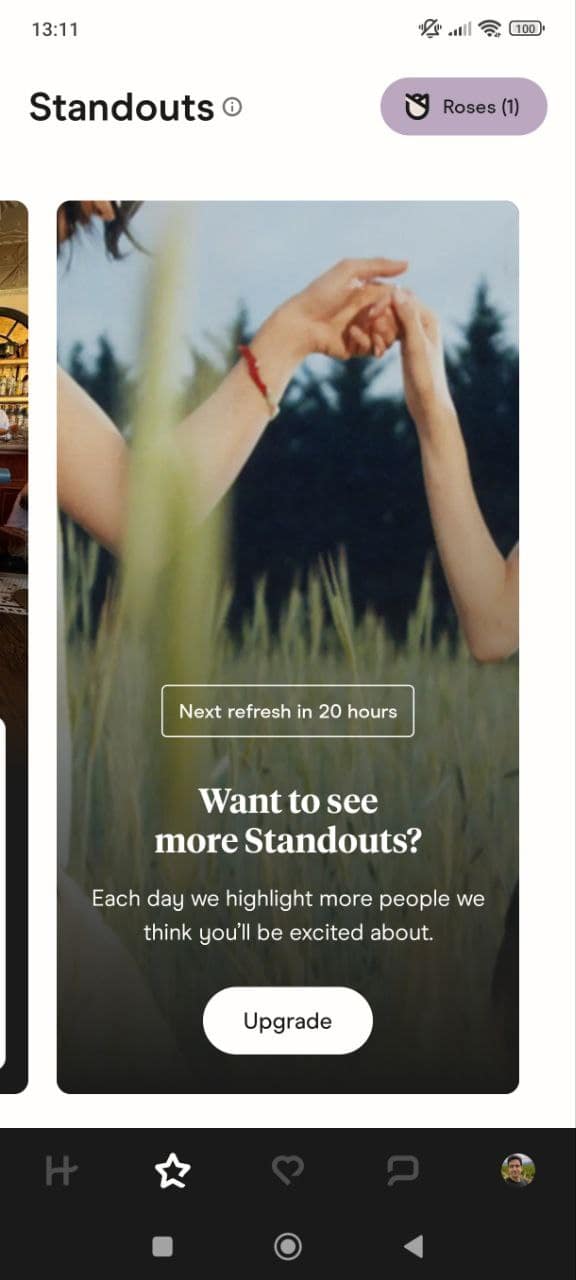
Hinge includes a Standouts section, which highlights profiles the algorithm believes you’ll be most interested in. These profiles often belong to highly active users who have put effort into their profiles. While liking someone in Standouts sometimes requires a premium feature (roses), it’s a small inconvenience for a highly curated experience.
Filters are another area where Hinge does well. Even with the free version, you can set basic parameters like age range, distance, and other key preferences. If you decide to upgrade, the app unlocks advanced filters for things like education, politics, lifestyle, and even family plans. These options are particularly useful for anyone serious about finding a long-term partner or a soulmate. The app really does give you tools to refine who you see and who sees you.

Free Version vs Subscription: Is Hinge Worth Paying For?
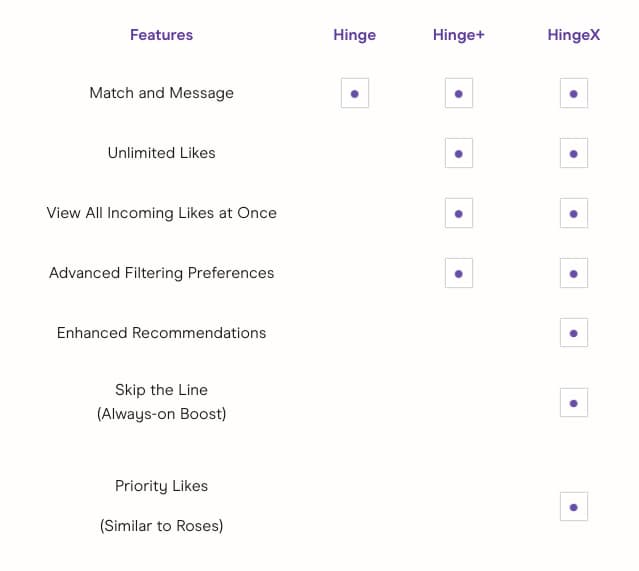
The free version of Hinge is surprisingly robust. You can create a full profile, like and match with people, and send messages. You can even see some of the people who liked you, though not all.
The subscription enhances the experience but isn’t required to use the app effectively. Paid features include unlimited likes, full access to everyone who liked you, advanced filters, and better visibility in certain sections. While not essential, the upgrade can save time and streamline your dating experience, especially if you’re serious about meeting someone.
Unlike other popular apps, Hinge doesn’t lock key functions behind a paywall, which makes it a solid choice even for casual users.
Hinge vs Tinder and Bumble: The Big Picture
Having spent time on Tinder, Bumble, and Hinge, I’d say Hinge is clearly different. Tinder remains king for casual dating and the hookup scene, while Bumble offers a middle ground with its social twist. Hinge, however, is a relationship app at heart which makes it stand out in the online dating world.
It strikes a nice balance between app design and dating intentions. It’s less about playing the dating game for sport and more about actually meeting people. If you’re burned out on the constant swiping and ghosting of Tinder and Bumble, Hinge feels like a breath of fresh air.
Who Actually Uses Hinge?
The people on Hinge are generally more intentional about their goals. While the user base might be slightly smaller than Tinder, it’s diverse in age range and includes both male and female users who are genuinely looking for meaningful connections. Whether someone is after a long-term relationship or just dating with intention, Hinge encourages getting real about your intentions.
The app works best if you’re ready to invest a little effort, because the quality of your profile directly impacts the quality of your matches. Most Hinge users take the time to answer prompts thoughtfully tend to attract like-minded users, making the app experience far more rewarding than mindless swiping elsewhere.
Final Verdict: Is Hinge a Good Dating App?
So, is Hinge a good dating app? After using it for weeks, matching, messaging, and even going on dates, the answer is a resounding yes. Hinge respects your time, encourages effort, and focuses on helping you find someone, not just keeping you addicted to endless swiping.
It’s not perfect — limited likes a day on the free plan, a slightly smaller user base, and premium features in Standouts can be minor annoyances — but it’s refreshing in a market dominated by superficial apps. Hinge works because it rewards authenticity, encourages meaningful conversations, and has an algorithm that genuinely tries to help you find compatible people.
If you’re serious about online dating and want to connect with people beyond a quick swipe right, Hinge is worth exploring. And who knows? If the app does its job right, you might even delete it someday — which is exactly the point.
Sometimes, online dating can be exhausting. Hinge proves it doesn’t have to be. In fact, if you put some effort into your profile, engage with prompts, and approach the app with intention, it can actually be enjoyable — even fun — in a way that Tinder, Bumble, and other popular dating apps rarely are.