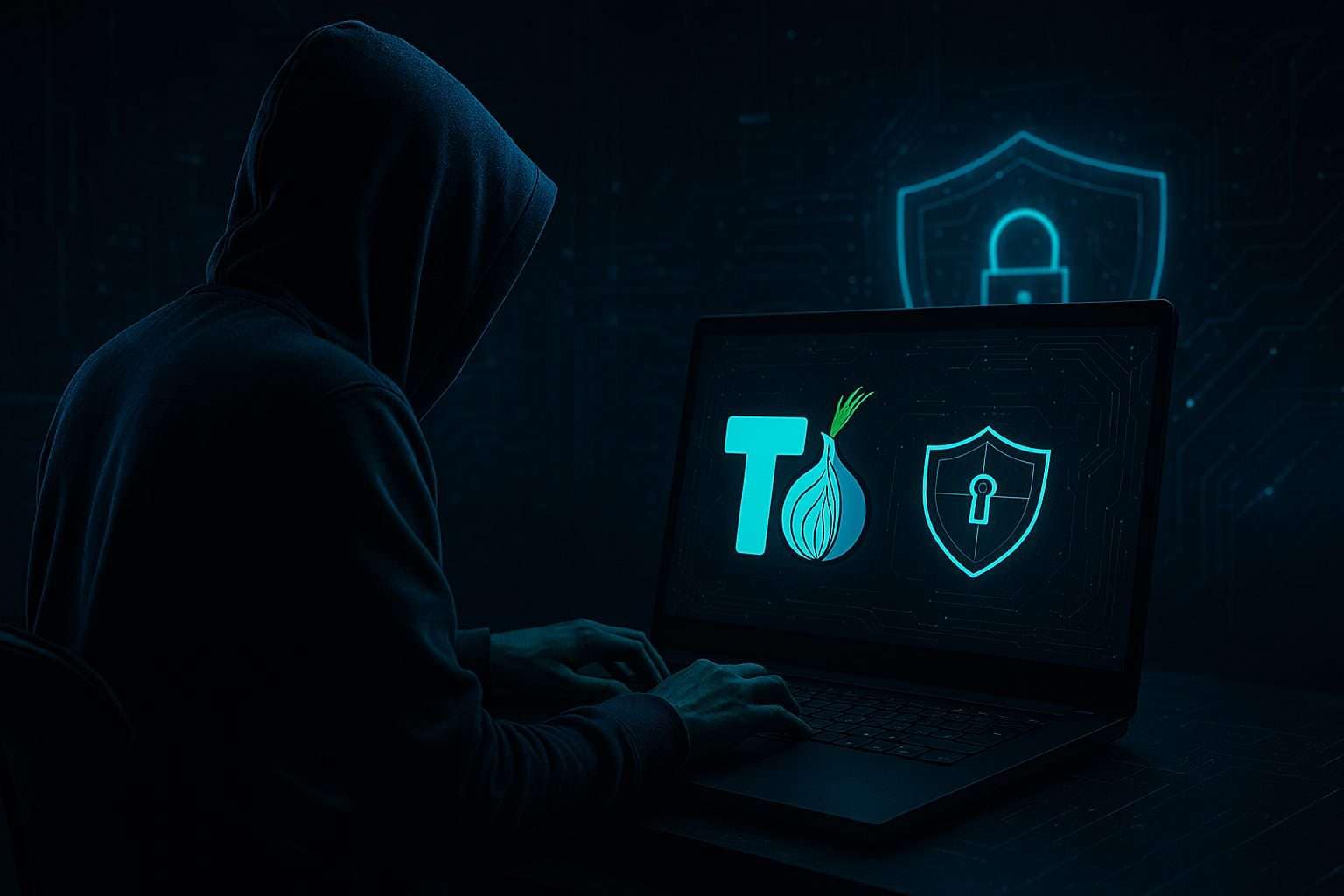
When it comes to online privacy and digital anonymity, Tor Browser is almost a legend. It’s the go-to tool for those who want to browse the web without being tracked, censored, or profiled. Activists, journalists, and privacy enthusiasts around the world praise it for enabling freedom online.
But here’s the uncomfortable question: is Tor Browser really as safe as people believe? Or is its reputation built on myth and outdated promises in an era when even “anonymous” tools can be compromised?
Let’s take a deep look into what makes Tor unique—and why you might want to think twice before relying on it completely.
What Exactly Is Tor Browser?

Tor (short for The Onion Router) is a specialized browser that routes your traffic through a global network of volunteer-operated servers called “nodes” or “relays.” Each relay encrypts and passes your data to the next, creating layers of protection—like an onion.
This design makes it almost impossible to trace where your connection originates. To websites and observers, your IP address looks like it’s coming from somewhere else entirely, often on the other side of the planet.
Unlike Chrome, Firefox, or Safari, Tor Browser is built specifically for anonymity, not convenience or speed. It blocks tracking scripts, disables most browser plugins, and prevents sites from fingerprinting your device. It’s one of the few browsers that can access .onion sites, hidden parts of the internet that aren’t indexed by search engines—commonly known as the dark web.
Why People Use Tor Browser
For many, Tor is more than just a browser—it’s a statement. It’s used by:
- Journalists and activists who need to communicate safely under surveillance-heavy regimes.
- Researchers studying cybercrime or censorship.
- Regular users who simply don’t want tech giants like Google or Meta tracking their every move.
- And yes, also by hackers, dark web vendors, and criminals, since Tor hides identities and locations.
That duality—being a tool for freedom and for illegal activity—makes Tor controversial by nature.
But regardless of who uses it, the big question remains: how safe is it really?
The Real Safety of Tor Browser

Tor’s architecture is impressive, but no system is bulletproof. Despite its strengths, there are critical flaws and risks that every user should understand before trusting it blindly.
1. Exit Node Vulnerabilities
The final relay in the Tor network—the exit node—is where your traffic leaves the encrypted system and enters the open internet. While your IP remains hidden, the data itself may be visible if you’re not using HTTPS.
That means a malicious exit node operator could potentially spy on your unencrypted traffic, capturing sensitive information such as login credentials or personal data.
2. Government Surveillance and Tor Monitoring
While Tor claims to protect users from tracking, it’s an open secret that intelligence agencies monitor Tor activity. Not necessarily to see what you’re doing—but simply using Tor can raise flags.
In some countries, connecting to the Tor network is enough to put you under suspicion, as it’s commonly associated with hacking, whistleblowing, and dark web activity.
Even in democratic nations, privacy researchers have shown that traffic patterns from Tor can be correlated and deanonymized using advanced timing attacks.
3. The False Sense of Security
Many users treat Tor as a magic shield, assuming they’re completely invisible online. That’s dangerous.
If you log into your personal accounts, use identifiable email addresses, or reveal any private information, your anonymity vanishes instantly. Tor can protect your connection—but it can’t protect you from human error.
4. Malware and Browser Exploits
Tor Browser is based on Firefox ESR, and while it’s frequently updated, vulnerabilities can still exist. Governments have previously used malware-injection attacks to expose Tor users’ identities.
If you download files or enable scripts, you could be putting yourself at risk. One wrong click, and your anonymity may be gone.
Is Tor Still Worth Using?
That depends on what you’re using it for.
If your goal is to bypass censorship, research the dark web, or maintain privacy from advertisers, Tor remains a powerful tool. But it’s not perfect, and it’s definitely not the most convenient or fastest option.
For everyday use, relying exclusively on Tor can be overkill—and sometimes counterproductive. Websites often block Tor traffic, pages load slowly, and some online services refuse to work at all.
If your focus is on balanced privacy and usability, you might want to explore other secure browsers that don’t rely solely on Tor’s infrastructure.
Check out our article: 5 Best Tor Browser Alternatives for Anonymous Browsing and Web Anonymity
The Controversy Behind “Anonymity”
Here’s the irony: the more popular Tor becomes, the less anonymous it gets.
Its traffic patterns are easier to identify, and mass adoption attracts both scrutiny and exploitation. Governments, security agencies, and even cybercriminals have strong incentives to study and compromise the Tor network.
Some privacy advocates argue that the idea of “complete anonymity” online is a myth. Tools like Tor can help, but they don’t make you invisible. They just make you harder to find.
How to Use Tor Safely (If You Still Want To)
If you decide Tor is right for you, follow these tips to reduce risks:
- Always use HTTPS – Never send unencrypted data through Tor.
- Don’t log into personal accounts – Avoid revealing your identity.
- Keep Tor Browser updated – Old versions have known vulnerabilities.
- Don’t install extra plugins or scripts – These can expose your fingerprint.
- Consider using Tor with a VPN – It won’t make you invincible, but it adds an extra privacy layer.
The Bottom Line
Tor Browser remains one of the most effective tools for online anonymity—but calling it “safe” without context is misleading.
It’s safer than Chrome if your goal is to stay off the radar, but not immune to surveillance, hacking, or misuse. It’s a double-edged sword: empowering for some, risky for others, and misunderstood by most.
So, is Tor really safe?
Yes—but only if you understand its limits, use it responsibly, and don’t fall for the myth of total anonymity.